
Introduction: The Cost of Server Downtime
Modern businesses operate in an always-on environment. Websites, mobile apps, CRMs, ERP systems, and payment gateways must be available 24/7. According to industry reports, server downtime can cost businesses thousands of dollars per hour, especially for e-commerce, finance, healthcare, and SaaS companies.
Downtime does not only mean lost revenue—it also leads to:
-
Poor customer experience
-
Loss of credibility and trust
-
Missed business opportunities
-
Increased recovery and maintenance costs
This is where24/7 server monitoringbecomes a critical component of IT infrastructure management.
What Is 24/7 Server Monitoring?
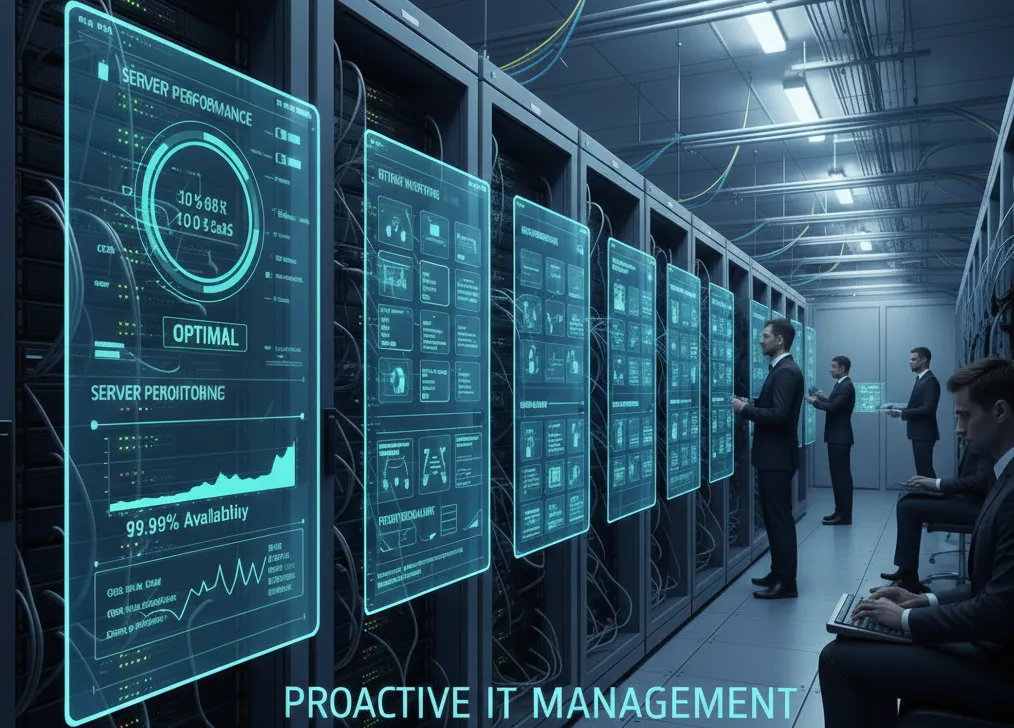
24/7 server monitoring is the continuous tracking of server health, performance, and security in real time. It involves monitoring key metrics such as:
-
CPU and memory usage
-
Disk space and I/O performance
-
Network traffic and latency
-
Application availability
-
Database performance
-
Security threats and suspicious activity
With continuous monitoring, IT teams can identify problems early and take corrective action before users are affected.
Why 24/7 Server Monitoring Is Essential for Business Continuity
1. Proactive Issue Detection
Most server failures do not happen suddenly. They show early warning signs like high CPU usage, low disk space, or abnormal network traffic. 24/7 monitoring helps detect these issues before they escalate into critical failures.
Instead of reacting after downtime occurs, businesses can fix problems proactively and avoid service disruption.
2. Reduced Downtime and Faster Recovery
When an issue occurs, time is everything. Continuous monitoring ensures instant alerts through email, SMS, or dashboards, allowing IT teams to respond immediately.
Faster response times mean:
-
Minimal downtime
-
Quicker root cause analysis
-
Faster service restoration
This directly supports business continuity and operational stability.
3. Improved Server Performance
Monitoring tools continuously analyze performance metrics and trends. This helps identify:
-
Bottlenecks in applications
-
Inefficient resource usage
-
Memory leaks or slow queries
With proper optimization, businesses experience faster websites, smoother applications, and better end-user performance.
4. Enhanced Security and Threat Detection
Cyber threats are increasing every year. Server monitoring plays an important role in security by detecting:
-
Unusual login attempts
-
DDoS attacks
-
Malware activity
-
Unauthorized access
Early detection helps prevent data breaches, system compromise, and compliance issues.
5. Supports Cloud and Hybrid Environments
Today, many businesses use AWS, Azure, Google Cloud, or hybrid infrastructures. Managing such environments without monitoring is risky.
24/7 server monitoring ensures:
-
High availability of cloud workloads
-
Proper scaling of resources
-
Visibility across multi-cloud environments
This is especially important for businesses running mission-critical applications.
Industries That Benefit Most from 24/7 Server Monitoring
Almost every industry benefits, but it is especially critical for:
-
E-commerce platforms
-
News portals and media websites
-
Banking and financial services
-
Healthcare systems
-
SaaS and software companies
-
Call centers and BPO operations
For these sectors, downtime directly impacts revenue and customer trust.
Role of Managed IT Service Providers
While large enterprises may have in-house IT teams, many businesses prefermanaged IT servicesfor cost efficiency and expertise.
A professional service provider offers:
-
Continuous server monitoring
-
Expert incident management
-
Patch management and updates
-
Performance tuning
-
Backup and disaster recovery support
This allows business owners to focus on growth instead of infrastructure issues.
How Adglob Infosystem Ensures Business Continuity
AtAdglob Infosystem, we provide end-to-end managed server services designed to keep businesses online 24/7. Our services include:
-
Round-the-clock server monitoring
-
Cloud server support (AWS, Azure, GCP)
-
Linux and Windows server management
-
Performance optimization and scaling
-
Security monitoring and patch management
-
Rapid incident response and troubleshooting
With our proactive approach, businesses experience high uptime, improved performance, and peace of mind.
Future of Server Monitoring
With the rise of AI and automation, server monitoring is becoming smarter. Predictive analytics, AI-driven alerts, and automated remediation will further reduce downtime and improve efficiency.
Businesses that invest in modern monitoring solutions today will be better prepared for future challenges.
Conclusion
24/7 server monitoring is no longer optional—it is a necessity for business continuity in a digital economy. By detecting issues early, improving performance, and enhancing security, continuous monitoring ensures uninterrupted operations and customer satisfaction.
Partnering with a reliable IT service provider like Adglob Infosystem helps businesses maintain uptime, reduce risks, and focus on long-term growth.